Frozen Strawberry Yoghurt 

Our gorgeous frozen yogurt is intensely fruity and really creamy! Method In a food processor,…

BuddhaFruitJune 22, 2017
Sugar is one of the easiest ingredients to reduce in cooking without changing much else about a dish. These recipes replace refined sugar with monk fruit, which is why every one of them falls into the low sugar category despite tasting sweet.
Our low sugar recipe collection spans breakfasts, savoury mains and desserts. The baking recipes cover cakes, bakes and other treats that would normally rely on sugar for texture and sweetness, our cooking recipes are built around everyday weeknight meals and the desserts range from set puddings to baked bars.
Each recipe lists exact measurements so monk fruit is swapped in at the right ratio. Some recipes also include additional swaps, like reduced fat-diary or wholemeal flour, where relevant to the dish.
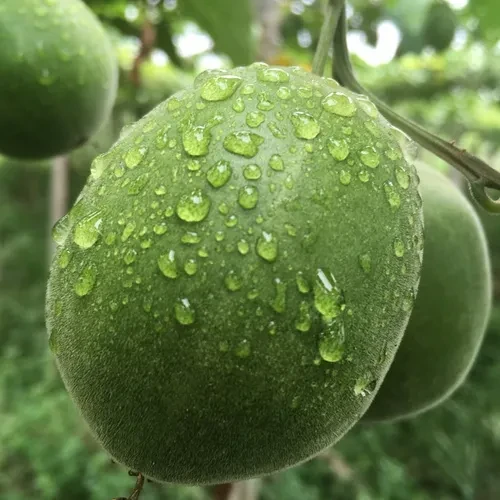
Monk fruit gets its sweetness from mogrosides, compounds found in the fruit’s flesh that are far sweeter than sugar gram for gram. Because so little is needed to sweeten a dish, monk fruit sweeteners typically contain no calories and no carbohydrates.
It has a zero glycemic index, meaning it doesn’t raise blood glucose the way sugar does. This makes it a suitable option for people managing diabetes or following a low carb or keto diet.
Monk fruit has been used in China for centuries, traditionally in teas and remedies before becoming more widely used as a sweetener. Unlike some other sugar alternatives, it doesn’t carry a bitter or metallic aftertaste, which is part of why it works well across such a wide range of recipes.